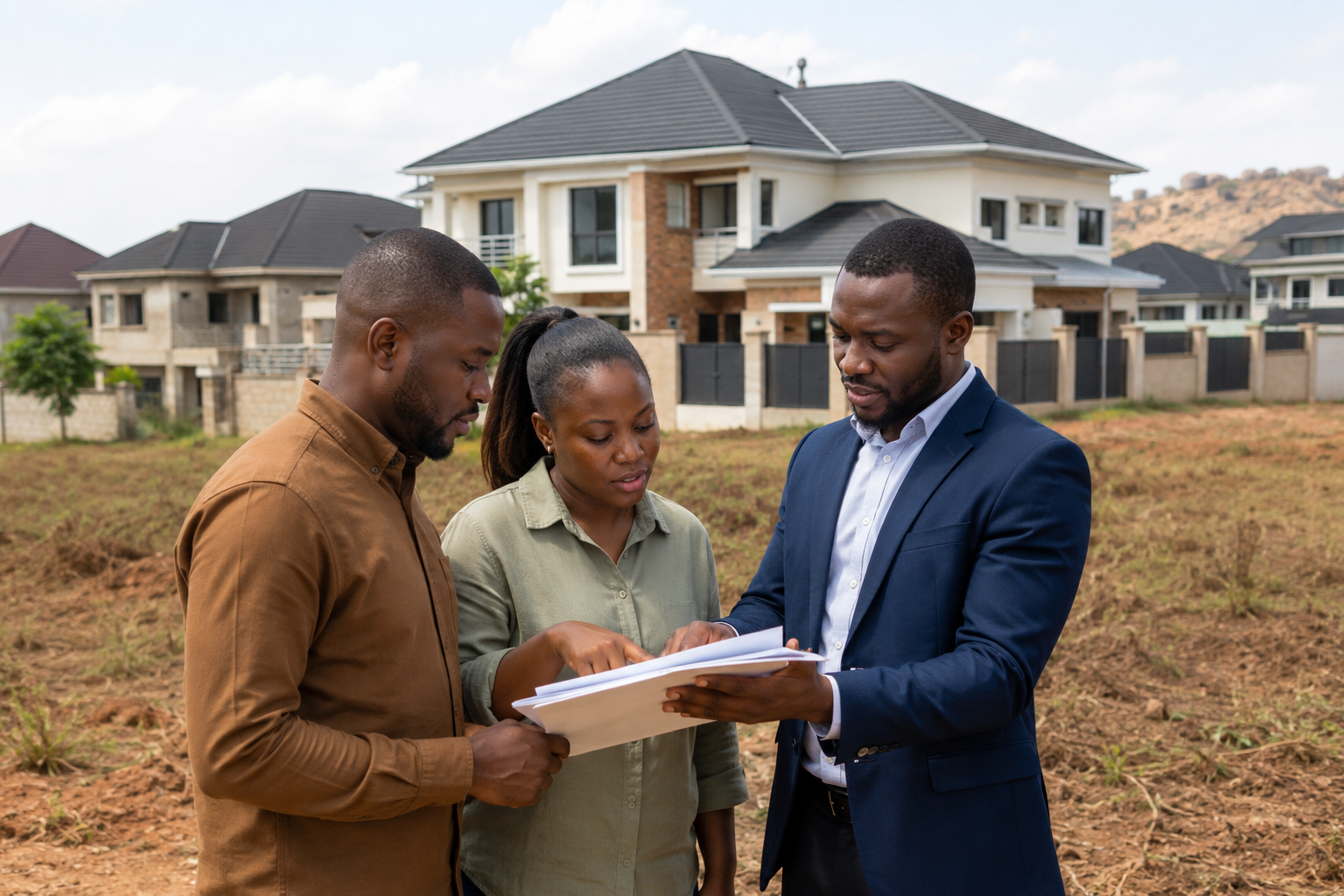
How to Verify Land Ownership in Ghana Before You Buy
27 July, 2026
How to Verify Land Ownership in Ghana
Buying land in Ghana can be one of the most rewarding investments you ever make. Whether you are purchasing a plot to build your dream home, investing for the future or expanding your property portfolio, verifying land ownership is one of the most important steps you will take.
Unfortunately, Ghana’s property market has historically experienced issues including multiple land sales, boundary disputes, fraudulent documentation and ownership conflicts. These problems can affect both local buyers and overseas investors, especially those unfamiliar with Ghana’s land administration system.
The good news is that these risks can be significantly reduced by carrying out proper due diligence before committing to any purchase.
In this guide, you will learn exactly how to verify land ownership in Ghana, the documents you should request, where to conduct official searches, the warning signs to avoid and how Expat Homes Ghana can help make your purchase safe and straightforward.
Quick Answer
To verify land ownership in Ghana, obtain copies of the land documents from the seller, confirm ownership through the Lands Commission, conduct an official land search, inspect the property boundaries, verify site plans, check for disputes or litigation and use a qualified property lawyer before making any payment. Never rely solely on verbal assurances or photocopied documents.
Why Verifying Land Ownership Matters
Property fraud remains one of the biggest concerns for buyers in Ghana. While many transactions are completed successfully every year, problems usually arise when buyers skip proper due diligence.
Verifying ownership protects you against:
Buying land from someone who does not own it
Purchasing land that has already been sold
Buying land involved in legal disputes
Boundary disagreements
Fraudulent title certificates
Fake survey plans
Illegal developments
Future financial losses
Taking the time to investigate ownership before exchanging money could save you thousands of pounds or dollars later.
Understanding Land Ownership in Ghana
Before purchasing any land, it helps to understand how land ownership works.
Land in Ghana generally falls into several categories.
State Land
Owned by the Government of Ghana and administered through the Lands Commission.
Stool Land
Owned traditionally by chiefs on behalf of local communities.
Family Land
Owned collectively by extended families and managed by family heads.
Private Land
Owned by individuals or companies with legally recognised ownership rights.
Each category follows different legal procedures, making verification essential.
Step 1 Request the Seller’s Documents
Never agree to purchase land before reviewing the available documentation.
Request copies of:
Land Title Certificate
Land Title Registration
Land Deed
Indenture
Site Plan
Survey Plan
Allocation Letter
Previous Sale Agreements
Building Permits where applicable
Check that:
Names are consistent
Dates make sense
Property descriptions match
Plot numbers are correct
Signatures appear genuine
If documents appear altered, incomplete or inconsistent, seek legal advice immediately.
Step 2 Verify Ownership at the Lands Commission
The Lands Commission is the primary authority responsible for land registration in Ghana.
An official search can confirm:
Registered owner
Property description
Plot size
Survey information
Existing registrations
Recorded interests
Encumbrances
Restrictions
This is one of the most important parts of the buying process.
Never skip it.
Step 3 Conduct an Official Land Search
An official land search provides confirmation that the documents provided by the seller match government records.
The search may identify:
Existing ownership
Mortgages
Court injunctions
Caveats
Compulsory acquisitions
Government interests
Duplicate claims
Even if the seller appears trustworthy, always complete an official search.
Step 4 Confirm Site Plans and Boundaries
A licensed surveyor should inspect the land before purchase.
They can verify:
GPS coordinates
Boundary markers
Plot dimensions
Encroachments
Access roads
Neighbouring developments
Never rely solely on fences or verbal descriptions.
Incorrect boundaries can lead to expensive legal disputes years later.
Step 5 Visit the Property
Always inspect the land yourself or appoint someone you trust.
Look for:
Existing buildings
Occupants
Farming activity
Boundary walls
Access roads
Utility connections
Flood risks
Drainage
Topography
Photograph everything during your visit.
If buying from overseas, request live video walkthroughs and recent drone footage.
Step 6 Speak to Local Authorities
Local knowledge can reveal issues that official documents may not immediately highlight.
Speak with:
Community leaders
Neighbours
Assembly representatives
Local surveyors
Estate professionals
Ask questions such as:
Has anyone else claimed ownership?
Has this land previously been sold?
Are there ongoing disputes?
Has development been approved?
These conversations often uncover valuable information.
Step 7 Check for Court Cases or Disputes
Some land parcels become involved in long running legal disputes.
Ask whether:
Court injunctions exist
Litigation is ongoing
Ownership is contested
Family disagreements exist
Traditional ownership claims remain unresolved
Buying disputed land can delay development for years.
Step 8 Use a Qualified Property Lawyer
A solicitor specialising in Ghanaian property law provides another layer of protection.
They can:
Review contracts
Verify ownership
Conduct legal searches
Confirm registration
Draft agreements
Handle completion
Register ownership
Legal fees are a worthwhile investment compared with the cost of buying the wrong property.
Step 9 Verify Family Land and Stool Land Carefully
Family and Stool Lands require additional checks because ownership may involve multiple parties.
Confirm:
Proper authority exists to sell
Required family consent has been obtained
Traditional approvals have been granted
Allocation procedures have been followed
Relevant signatures are genuine
Failure to obtain proper consent may result in future legal challenges.
Step 10 Register the Property Properly
Ownership is not fully protected until registration has been completed.
After purchase:
Execute legal agreements
Pay required fees
Submit documents
Register ownership
Keep certified copies
Store original documents securely
Registration provides stronger legal protection against competing ownership claims.
Warning Signs That Should Make You Walk Away
Be cautious if you encounter any of the following:
Seller refuses official searches
Pressure to pay immediately
Cash only transactions
Missing documents
Different names on paperwork
Boundary disputes
Occupied land without explanation
Suspiciously low asking price
Unregistered land without supporting evidence
Multiple people claiming ownership
If something feels wrong, pause the purchase until every concern has been resolved.
Average Costs of Verifying Land Ownership in Ghana
Verification costs vary depending on the property’s location, complexity and professional services required.
Typical expenses may include:
Service
Typical Cost
Official Land Search
Varies by property and search type
Survey Inspection
Depends on plot size and location
Legal Review
Based on transaction complexity
Site Inspection
Travel and professional fees may apply
Registration Fees
Determined by the property value and applicable government charges
Although these costs increase the initial purchase price, they are modest compared with the financial consequences of purchasing disputed land.
Popular Areas Where Buyers Frequently Purchase Land
Many overseas buyers look for land in:
Accra
Popular districts include:
East Legon
Airport Residential
Cantonments
Ridge
Roman Ridge
Spintex
Adenta
Oyarifa
Ashaley Botwe
Tema
A growing area offering residential and investment opportunities.
Kumasi
One of Ghana’s fastest growing cities with increasing demand.
Takoradi
Popular with professionals working within Ghana’s energy sector.
Aburi
Favoured for cooler weather and luxury residential developments.
Cape Coast
Increasingly attractive for retirement homes and holiday properties.
Why Overseas Buyers Should Take Extra Care
If you live outside Ghana, verifying ownership becomes even more important.
Remote buyers should:
Never buy unseen land
Appoint trusted professionals
Conduct official searches
Use reputable estate agencies
Confirm identification of every seller
Avoid transferring funds directly to individuals without legal protection
Request regular progress updates
Retain copies of every document
Working with experienced local professionals greatly reduces unnecessary risks.
Frequently Asked Questions
How do I know if land ownership documents are genuine?
Request certified copies, conduct an official search through the Lands Commission and have the documents reviewed by an experienced property lawyer before proceeding.
Can two people legally own the same land?
In some cases, competing claims arise due to fraud, multiple sales or unresolved customary ownership disputes. This is why official verification is essential.
Is a site visit really necessary?
Yes. Visiting the property helps confirm boundaries, access, occupation, neighbouring developments and whether the land matches the documents provided.
Can I verify land ownership while living abroad?
Yes. You can appoint a solicitor, surveyor or trusted property professional in Ghana to carry out searches, inspections and legal checks on your behalf.
What is the safest way to buy land in Ghana?
The safest approach is to combine an official land search, legal review, professional survey, physical inspection and proper registration before making any final payment.
Final Thoughts
Buying land in Ghana offers excellent opportunities for homeowners, investors and members of the Ghanaian diaspora, but every successful purchase starts with proper verification.
Taking the time to confirm ownership, inspect the land, review legal documentation and conduct official searches can protect your investment and give you peace of mind for years to come.
Whether you are buying your first plot, investing in residential developments or planning your retirement home, thorough due diligence is one of the smartest investments you can make.
Ready to Buy Property in Ghana?
At Expat Homes Ghana, we help buyers from around the world purchase property in Ghana with confidence.
Our experienced team can assist you with:
Finding verified houses, apartments and land across Ghana
Connecting you with trusted legal and surveying professionals
Guiding you through the buying process from enquiry to completion
Helping overseas buyers navigate the Ghanaian property market
Marketing your property if you are looking to sell or rent
Browse our latest property listings, speak to one of our property experts or contact Expat Homes Ghana today for trusted advice tailored to your property goals.