

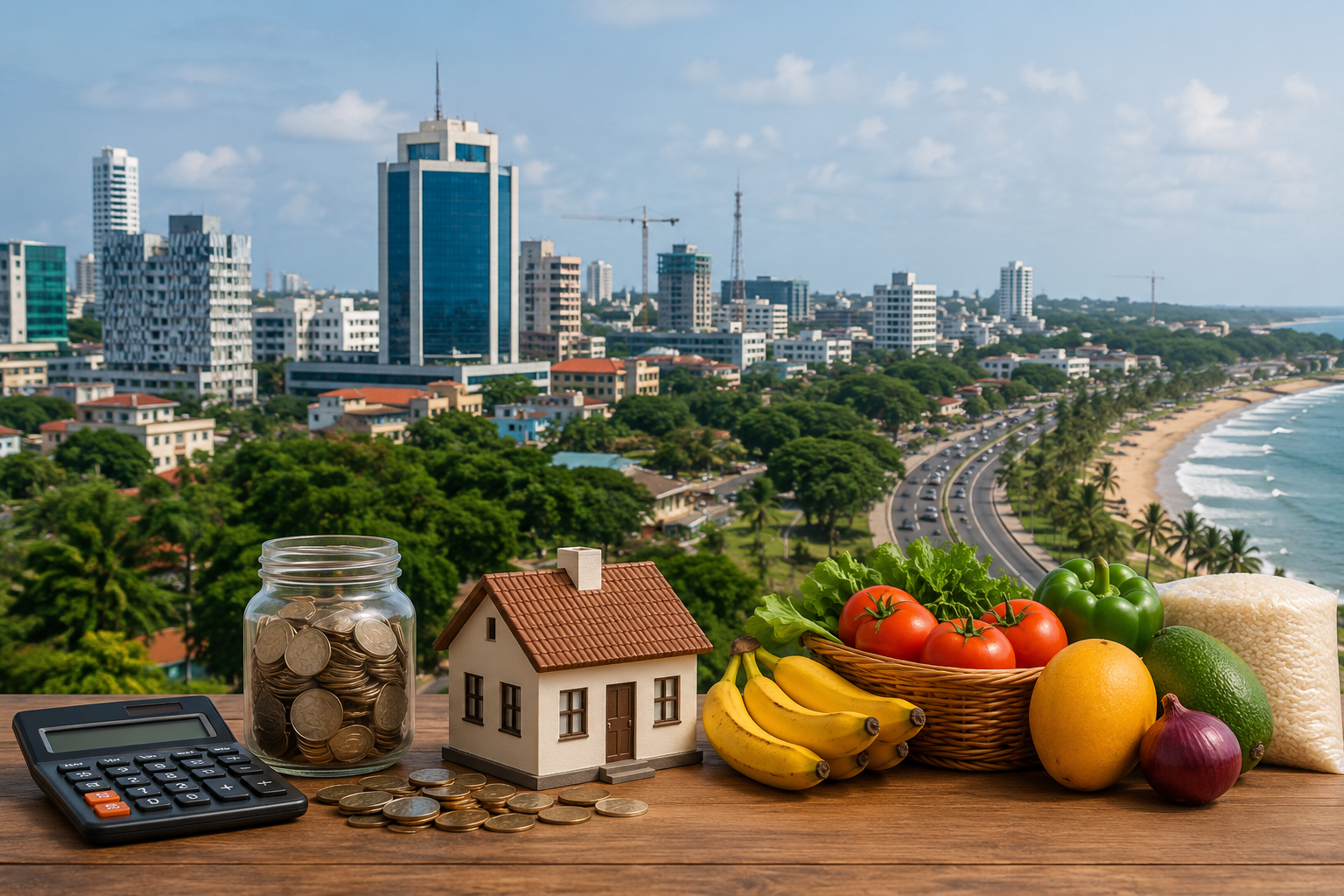
Cost of Living in Ghana
31 July, 2026
Cost of Living in Ghana
Relocating to Ghana is an exciting opportunity whether you are moving for work, retirement, investment or to reconnect with your heritage. Before making the move, understanding the cost of living in Ghana is one of the most important steps in planning your finances.
Compared with many Western countries, Ghana can offer an affordable lifestyle, particularly if you shop locally and make informed housing decisions. However, imported products, international schools and premium accommodation can significantly increase monthly expenses.
This comprehensive guide explains exactly what it costs to live in Ghana, including accommodation, groceries, utilities, transport, healthcare, education and entertainment. Whether you are relocating from the United Kingdom, United States, Canada or Europe, this guide will help you prepare with confidence.
Quick Answer
The cost of living in Ghana varies depending on where you live and your lifestyle. A single person living comfortably in Accra may spend between £900 and £2,500 per month, including rent, while families can expect higher monthly costs. Living outside major cities is generally much more affordable, and choosing locally produced goods instead of imported products can reduce expenses significantly.
Table of Contents
- What Is the Cost of Living in Ghana?
- Is Ghana Expensive Compared with the UK?
- Housing Costs
- Utility Bills
- Internet and Mobile Costs
- Grocery Prices
- Eating Out
- Transport Costs
- Healthcare Expenses
- Education Costs
- Entertainment and Leisure
- Popular Areas to Live
- Monthly Budget Examples
- Tips for Saving Money
- Mistakes to Avoid
- Frequently Asked Questions
- Final Thoughts
What Is the Cost of Living in Ghana?
The overall cost of living depends on several factors including:
- Your location
- Housing choices
- Family size
- Lifestyle
- Whether you purchase imported goods
- Schooling requirements
- Transportation needs
Accra remains Ghana’s most expensive city, while Kumasi, Takoradi, Cape Coast and Tamale generally offer a lower cost of living.
Many expats are pleasantly surprised that everyday essentials purchased locally are relatively affordable. However, luxury apartments, imported groceries and international schools are priced closer to Western markets.
Is Ghana Expensive Compared with the UK?
For many people relocating from Britain, Ghana can provide significant savings in several areas.
Generally speaking:
- Local food costs less.
- Domestic staff are considerably more affordable.
- Public transport is inexpensive.
- Locally sourced produce is excellent value.
However, some expenses can be higher than expected, including:
- Imported food
- International healthcare
- Private education
- Premium apartments
- Imported vehicles
Your monthly costs will largely depend on whether you adopt a local lifestyle or maintain Western spending habits.
Housing Costs in Ghana
Accommodation is usually the largest monthly expense.
Rental prices vary considerably depending on location, security, amenities and property type.
Studio Apartment
Average monthly rent:
- £250 to £700
Suitable for:
- Remote workers
- Single professionals
- Students
One Bedroom Apartment
Average monthly rent:
- £400 to £1,200
Ideal for:
- Couples
- Individual professionals
- Digital nomads
Two Bedroom Apartment
Average monthly rent:
- £700 to £2,000
Common choice for:
- Small families
- Professionals relocating for work
Luxury Villas
Premium homes in areas such as Airport Residential, Cantonments and East Legon may cost:
- £2,000 to £6,000+ per month
Luxury developments often include:
- Swimming pools
- Backup generators
- Security
- Air conditioning
- Gyms
- Covered parking
Popular Areas to Live
Cantonments
One of Accra’s most prestigious neighbourhoods.
Popular with:
- Diplomats
- Corporate executives
- International organisations
Offers:
- High security
- Excellent restaurants
- Modern apartments
- Embassy district
Airport Residential Area
Known for luxury apartments and convenient airport access.
Suitable for:
- Business travellers
- Executives
- Expats
East Legon
One of the fastest growing residential areas.
Offers:
- Shopping centres
- Cafés
- Restaurants
- Modern housing
- International schools
Labone
A peaceful neighbourhood close to central Accra.
Popular among professionals looking for convenience and quality housing.
Osu
A lively district with excellent nightlife, restaurants and shopping.
Ideal for younger professionals and digital nomads.
Tema
Offers more affordable accommodation than central Accra while remaining close to the capital.
Utility Bills
Monthly utility costs depend heavily on air conditioning usage.
Average monthly costs include:
Electricity:
£40 to £180
Water:
£10 to £40
Cooking gas:
£10 to £30
Waste collection:
£10 to £25
Air conditioning can substantially increase electricity consumption during hotter months.
Internet and Mobile Costs
Reliable internet is essential for remote workers.
Typical monthly broadband packages range from:
£25 to £80
Mobile data remains relatively affordable, with generous packages available through Ghana’s major telecommunications providers.
Many cafés and co working spaces also offer high speed internet.
Grocery Prices
Buying locally grown produce provides excellent value.
Examples include:
Fresh fruit
- Mangoes
- Pineapples
- Bananas
- Pawpaw
Vegetables
- Tomatoes
- Onions
- Peppers
- Okra
Staple foods
- Rice
- Yam
- Plantain
- Cassava
- Beans
Imported products such as cereals, cheese, chocolates and speciality foods generally cost considerably more.
Many expats mix local markets with modern supermarkets to balance quality and affordability.
Eating Out
Dining costs vary widely.
Street food:
£1 to £5
Local restaurants:
£3 to £12
Mid range restaurants:
£10 to £25
Fine dining:
£25 to £60+
International restaurants in Accra provide cuisine from around the world including Italian, Lebanese, Indian, Chinese and Japanese.
Transport Costs
Getting around Ghana can be very affordable.
Public transport includes:
- Tro tros
- Shared taxis
- Ride hailing services
- Metro taxis
Typical costs include:
Short taxi journey:
£2 to £8
Airport transfer:
£8 to £25
Monthly fuel costs depend on vehicle usage.
Many expats initially rely on ride hailing services before purchasing a vehicle.
Healthcare Costs
Private healthcare is widely used by expatriates.
Costs vary depending on:
- Hospital
- Insurance
- Treatment required
Many employers provide private medical insurance.
Those relocating independently should arrange comprehensive international health insurance before moving.
Education Costs
Families relocating with children should budget carefully for education.
International schools offer British, American and International Baccalaureate curricula.
Annual fees can range from:
£4,000 to over £20,000 depending on the school and year group.
Additional expenses often include:
- Uniforms
- School transport
- Lunches
- Activities
Entertainment and Leisure
Ghana offers an excellent quality of life with plenty of recreational opportunities.
Popular activities include:
- Beaches
- Nature reserves
- Golf
- Shopping malls
- Live music
- Cultural festivals
- Fine dining
- Weekend resorts
Typical costs:
Cinema:
£5 to £10
Gym membership:
£20 to £80 per month
Coffee:
£2 to £5
Weekend hotel stay:
£60 to £250+
Monthly Budget Examples
Budget Lifestyle
Suitable for students or young professionals.
Estimated monthly spending:
£700 to £1,000
Includes:
- Basic apartment
- Local food
- Public transport
Comfortable Expat Lifestyle
Estimated monthly spending:
£1,300 to £2,500
Includes:
- Modern apartment
- Private healthcare
- Dining out
- Reliable internet
- Air conditioning
Premium Lifestyle
Estimated monthly spending:
£3,500+
Includes:
- Luxury villa
- Domestic staff
- International schooling
- Imported groceries
- Multiple vehicles
Factors That Affect Your Cost of Living
Several personal choices influence your monthly expenses.
These include:
- Renting in central Accra versus regional cities
- Shopping at local markets or premium supermarkets
- Using public transport or owning a vehicle
- Frequency of international travel
- Air conditioning usage
- Lifestyle preferences
- Family size
Tips for Saving Money
Many newcomers quickly discover ways to reduce living costs without sacrificing quality of life.
Helpful strategies include:
Choose locally grown food whenever possible.
Compare rental properties before committing.
Live slightly outside premium neighbourhoods if your commute allows.
Use ride hailing services before buying a vehicle.
Negotiate annual rental agreements carefully.
Monitor electricity consumption during hotter months.
Work with an experienced local property expert who understands the market.
Common Mistakes to Avoid
Many people relocating to Ghana make avoidable financial mistakes.
These include:
Renting the first property they view.
Overestimating imported lifestyle requirements.
Failing to budget for utilities.
Ignoring neighbourhood differences.
Not researching commuting times.
Using unverified property agents.
Working with a trusted property specialist helps reduce these risks and ensures a smoother relocation.
Why Work with Expat Homes Ghana?
Finding the right property is about more than price. It is about choosing a location that suits your lifestyle, work and long term plans.
Expat Homes Ghana helps clients from around the world by providing:
- Quality apartments
- Family homes
- Investment properties
- Land opportunities
- Rental advice
- Buying guidance
- Property marketing
- Relocation support
Whether you are moving permanently or investing from overseas, professional local knowledge can save time, reduce stress and help you make informed decisions.
Frequently Asked Questions
Is Ghana cheaper than the UK?
In many everyday categories such as local food, transport and domestic services, Ghana is generally more affordable than the UK. However, imported goods, luxury housing and international schools can cost as much as, or even more than, comparable options in Britain.
How much money do I need to live comfortably in Ghana?
A single professional living comfortably in Accra typically requires between £1,300 and £2,500 per month, depending on accommodation, transport and lifestyle choices. Families should budget more, particularly if using private healthcare and international schools.
What is the most expensive city in Ghana?
Accra is generally the most expensive city due to higher property prices, premium neighbourhoods, international businesses and greater demand for high quality accommodation.
Is healthcare expensive in Ghana?
Public healthcare is available, but many expatriates choose private hospitals. Costs vary, so comprehensive health insurance is strongly recommended before relocating.
Where do most expats live in Ghana?
Popular areas include Airport Residential Area, Cantonments, East Legon, Labone, Osu and parts of Tema, all of which offer a range of housing options, amenities and good transport links.
Can digital nomads live comfortably in Ghana?
Yes. Many digital nomads choose Accra because it offers reliable internet, modern cafés, coworking spaces and a growing international community. Choosing suitable accommodation with dependable broadband is key to maintaining productivity.
Final Thoughts
Understanding the cost of living in Ghana allows you to budget effectively and make informed decisions before relocating, investing or retiring. While your monthly expenses will depend on your lifestyle and location, Ghana continues to offer an attractive balance of opportunity, culture and quality of life for expats, investors and members of the Ghanaian diaspora.
Whether you are searching for a city apartment, a family home, an investment property or land for future development, careful planning is the foundation of a successful move.
Ready to Find Your Home in Ghana?
Browse the latest apartments, houses, villas and land available through Expat Homes Ghana. Our experienced team can help you buy, rent, sell or invest with confidence, providing local knowledge and personalised guidance every step of the way.
Contact Expat Homes Ghana today to discuss your property goals, request expert advice or list your property with one of Ghana’s trusted real estate specialists.