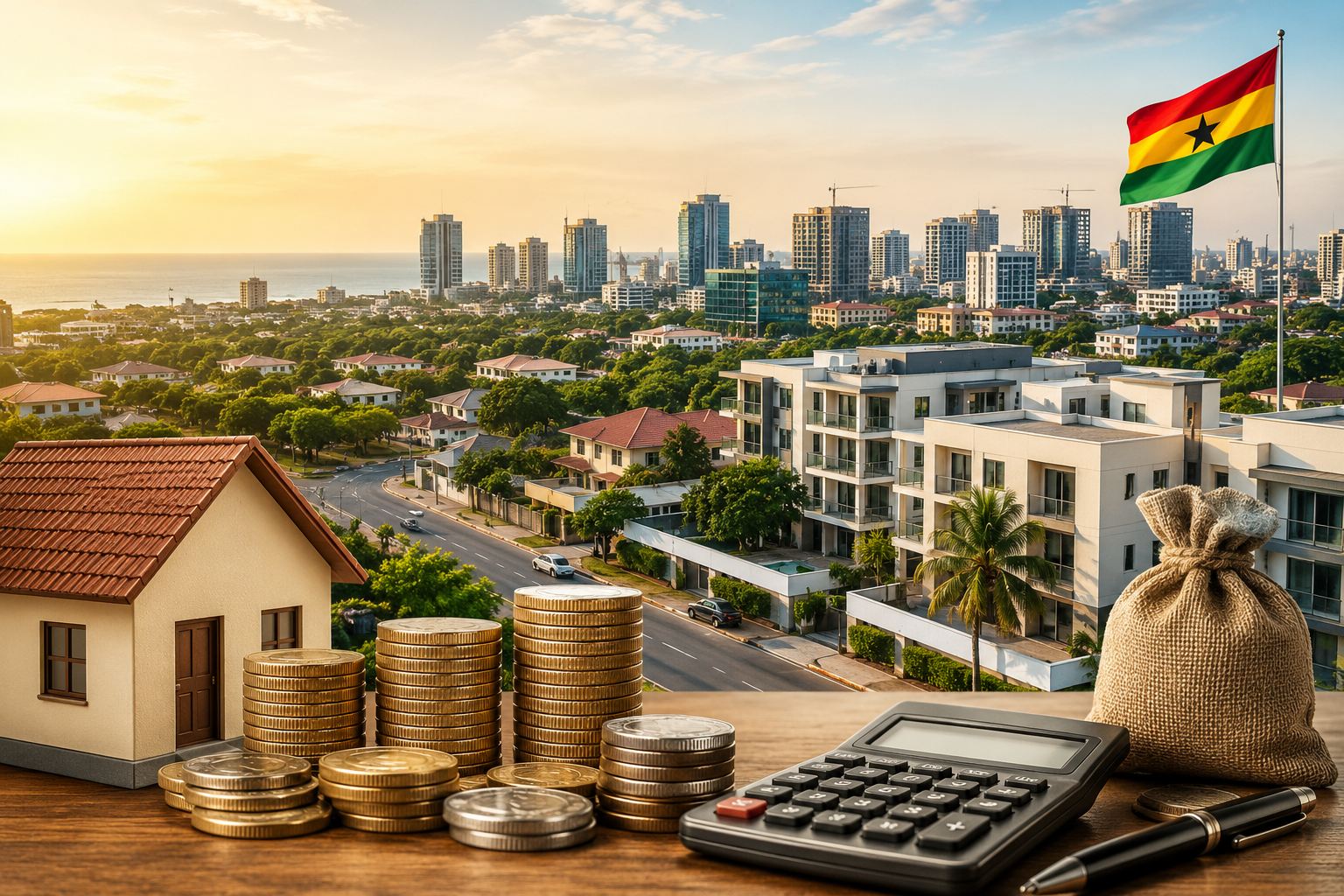
Is Ghana expensive? The answer depends on where you are moving from, your lifestyle and where you choose to live. Compared with many West African countries, Ghana is one of the more expensive destinations, particularly in Accra. However, it remains significantly more affordable than cities such as London, New York, Toronto and most major European capitals. Housing, imported goods and international schools can be costly, while local food, transport and domestic services are generally much cheaper. For many expats, retirees and investors, Ghana offers an excellent balance between affordability, quality of life and long term property investment potential.
Table of Contents
Is Ghana Expensive?
Why Ghana Costs More Than Some African Countries
Cost of Living in Ghana
Accommodation Costs
Buying Property in Ghana
Food and Grocery Prices
Eating Out
Transport Costs
Utilities and Internet
Healthcare Costs
Education Costs
Entertainment and Lifestyle
Best Affordable Places to Live
Is Ghana Good Value for Money?
Tips to Save Money
Frequently Asked Questions
Final Thoughts
Is Ghana Expensive?
One of the first questions people ask before relocating or investing is, “Is Ghana expensive?”
The answer is not straightforward because your experience depends on your income, accommodation choices and lifestyle.
Someone relocating from London or New York may find Ghana relatively affordable overall, despite higher property rents in premium neighbourhoods.
Someone moving from another African country may find Accra considerably more expensive.
Understanding where your money will go helps you budget realistically before making the move.
Why Ghana Costs More Than Some African Countries
Several factors contribute to Ghana’s prices.
These include:
Strong demand for quality housing.
Imported construction materials.
Imported consumer products.
Currency fluctuations.
Growing international business activity.
Increasing expatriate population.
Rapid urban development.
Accra has experienced substantial economic growth over the past two decades, attracting multinational companies, embassies and international organisations.
This demand naturally pushes up prices in sought after locations.
Cost of Living in Ghana
The overall cost of living varies significantly depending on your lifestyle.
Budget Lifestyle
Ideal for students, young professionals and locals.
Typical monthly spending may include:
Affordable apartment
Local transport
Local markets
Limited entertainment
This lifestyle can be relatively inexpensive compared with many Western countries.
Comfortable Expat Lifestyle
Many international professionals choose:
Modern apartment
Reliable electricity backup
Air conditioning
Private healthcare
Regular dining out
Car ownership
This naturally increases monthly expenses.
Luxury Lifestyle
Luxury living often includes:
Gated communities
High end villas
Domestic staff
Imported groceries
International schools
Premium healthcare
Chauffeur services
These costs are comparable with many major international cities.
Accommodation Costs
Housing usually represents the largest expense.
Rental prices vary enormously depending on location.
Popular premium areas include:
Airport Residential Area
Cantonments
Labone
East Legon
Roman Ridge
Ridge
Dzorwulu
These neighbourhoods attract diplomats, executives and overseas buyers.
More affordable areas include:
Adenta
Ashaley Botwe
Oyarifa
Spintex
Tema
Kasoa
These locations often provide better value while still offering good amenities.
Buying Property in Ghana
For many people, buying makes more financial sense than renting long term.
Property ownership allows you to:
Build equity.
Generate rental income.
Benefit from capital appreciation.
Reduce long term housing costs.
Ghana’s growing population and expanding middle class continue to support demand for residential property.
Popular investment options include:
Apartments
Detached houses
Townhouses
Land
Commercial property
Investors should always carry out proper legal checks before purchasing.
Working with experienced professionals helps reduce risk.
Property Prices Across Ghana
Property prices vary according to:
Location
Property size
Development quality
Infrastructure
Security
Amenities
Accessibility
Central Accra commands the highest prices.
Areas further from the city centre generally offer better value while still benefiting from improving transport links.
Many overseas buyers purchase property before relocating permanently.
Food and Grocery Costs
One of Ghana’s biggest advantages is access to fresh local produce.
Local markets offer excellent value.
Popular foods include:
Plantain
Yam
Cassava
Tomatoes
Onions
Fresh fish
Chicken
Rice
Tropical fruits
Buying locally can significantly reduce food bills.
Imported products generally cost considerably more due to shipping and import duties.
Eating Out
Dining costs depend on where you eat.
Local restaurants provide excellent value and authentic Ghanaian cuisine.
International restaurants generally charge higher prices.
Popular choices include:
Jollof rice
Waakye
Banku
Fufu
Grilled tilapia
Kelewele
Fine dining is available throughout Accra, especially in business districts and premium neighbourhoods.
Transport Costs
Transport is relatively affordable.
Options include:
Taxis
Widely available.
Many journeys remain inexpensive compared with European cities.
Ride Hailing Services
Services such as Uber and Bolt operate throughout Accra.
They provide convenient transport for residents and visitors.
Tro Tro
Ghana’s shared minibuses offer the cheapest transport option.
Although busy, they remain popular with many commuters.
Private Car Ownership
Owning a vehicle increases costs through:
Fuel
Insurance
Maintenance
Parking
Servicing
However, many families value the flexibility.
Utilities
Utility costs depend on property size and air conditioning usage.
Common household expenses include:
Electricity
Water
Internet
Mobile phone services
Waste collection
Electricity bills increase significantly if air conditioning is used daily.
Many premium homes also have standby generators or solar systems.
Internet Quality
Internet services continue improving across Ghana.
Most expats rely upon:
Fibre broadband
Mobile broadband
4G
Increasing 5G availability
Reliable internet makes Ghana increasingly attractive for:
Digital nomads
Remote workers
Online businesses
Healthcare Costs
Healthcare options include:
Public Hospitals
Lower cost but often busier.
Private Hospitals
Preferred by many expatriates.
Private healthcare generally provides:
Shorter waiting times
Modern facilities
International specialists
Many employers include private medical insurance within relocation packages.
Education Costs
Families relocating with children often consider schooling one of their biggest expenses.
Choices include:
Public schools
Private schools
International schools
International schools typically follow:
British curriculum
American curriculum
International Baccalaureate
Fees vary significantly depending on the institution.
Entertainment and Lifestyle
Ghana offers a vibrant social scene.
Popular activities include:
Beaches
Live music
Cultural festivals
Restaurants
Shopping malls
Golf
Fitness clubs
Nightlife
Entertainment remains affordable if you choose local venues.
Premium clubs and luxury experiences naturally cost more.
Is Accra More Expensive Than Other Cities?
Yes.
Accra is generally Ghana’s most expensive city.
Reasons include:
International businesses
Government institutions
Diplomatic missions
High housing demand
Modern infrastructure
Other cities including Kumasi, Takoradi, Cape Coast and Tamale generally have lower living costs.
Best Affordable Places to Live
Many people seek affordable alternatives outside central Accra.
Popular options include:
Tema
Known for:
Planned communities
Good roads
Family friendly environment
Adenta
Offers:
Growing developments
Competitive property prices
Easy access to Accra
Oyarifa
Popular with buyers seeking:
Larger homes
Better value
Expanding infrastructure
Kasoa
Appeals to buyers wanting:
Lower purchase prices
New housing developments
Investment potential
Is Ghana Good Value for Property Investors?
Many overseas investors believe so.
Reasons include:
Growing Urban Population
Demand for quality housing continues increasing.
Rental Demand
Expats, professionals and returning diaspora create consistent rental demand.
Economic Growth
Long term infrastructure improvements continue supporting residential development.
Tourism
Short term rental opportunities continue expanding in many locations.
Tips for Saving Money in Ghana
If you are relocating, these practical steps can reduce your expenses.
Choose local supermarkets where possible.
Buy fresh produce from markets.
Consider living slightly outside central Accra.
Compare internet providers before signing contracts.
Use ride hailing instead of owning a vehicle initially.
Research neighbourhoods carefully before renting.
Seek professional property advice before purchasing.
Negotiate rental terms where appropriate.
Understand all service charges before signing agreements.
Common Mistakes to Avoid
Many newcomers underestimate:
Housing costs.
Utility bills.
School fees.
Imported grocery prices.
Traffic affecting commuting costs.
Legal due diligence when buying property.
Working with reputable estate professionals significantly reduces these risks.
Why Many Expats Still Choose Ghana
Despite higher living costs than some neighbouring countries, Ghana continues attracting thousands of overseas residents because of:
Political stability.
English as the official language.
Friendly communities.
Strong business opportunities.
Beautiful coastline.
Rich cultural heritage.
Growing property market.
Excellent investment potential.
High quality lifestyle.
Frequently Asked Questions
Is Ghana expensive compared with the United Kingdom?
Generally no. While premium housing and imported products can be expensive, overall living costs are usually lower than in most parts of the United Kingdom.
Is Accra expensive?
Accra is Ghana’s most expensive city, particularly in popular expatriate neighbourhoods. However, many surrounding areas provide excellent value.
Can foreigners buy property in Ghana?
Foreigners can buy many types of property in Ghana, although land ownership rules differ from those for Ghanaian citizens. Professional legal advice is essential before purchasing.
Is Ghana affordable for retirees?
Many retirees find Ghana affordable, particularly if they own their home and primarily purchase local goods and services.
Is Ghana a good place to invest in property?
Many investors consider Ghana attractive because of increasing housing demand, urban development, growing infrastructure and long term appreciation potential. As with any investment, thorough research and professional advice are important.
Final Thoughts
So, is Ghana expensive?
For most people relocating from the United Kingdom, United States, Canada or much of Europe, Ghana offers an attractive balance between affordability and quality of life. While premium accommodation, imported goods and international schooling can increase living costs, many everyday expenses remain comparatively reasonable, especially when embracing local products and services.
Beyond the numbers, Ghana offers something that is harder to measure: a welcoming culture, English as the official language, a growing economy and a property market with opportunities for homeowners, landlords and investors alike. Careful planning, choosing the right location and understanding local costs can help you enjoy everything the country has to offer while staying within your budget.
Whether you are relocating, investing, purchasing your first home or searching for a rental property, making informed decisions is the key to long term success.
Browse Properties with Expat Homes Ghana
If you are considering buying, selling, renting or investing in property in Ghana, Expat Homes Ghana is here to help. Explore our latest listings, speak with experienced property professionals and receive tailored guidance based on your goals. Whether you are part of the Ghanaian diaspora, an overseas investor or relocating for work, our team can help you find the right property and navigate the process with confidence.