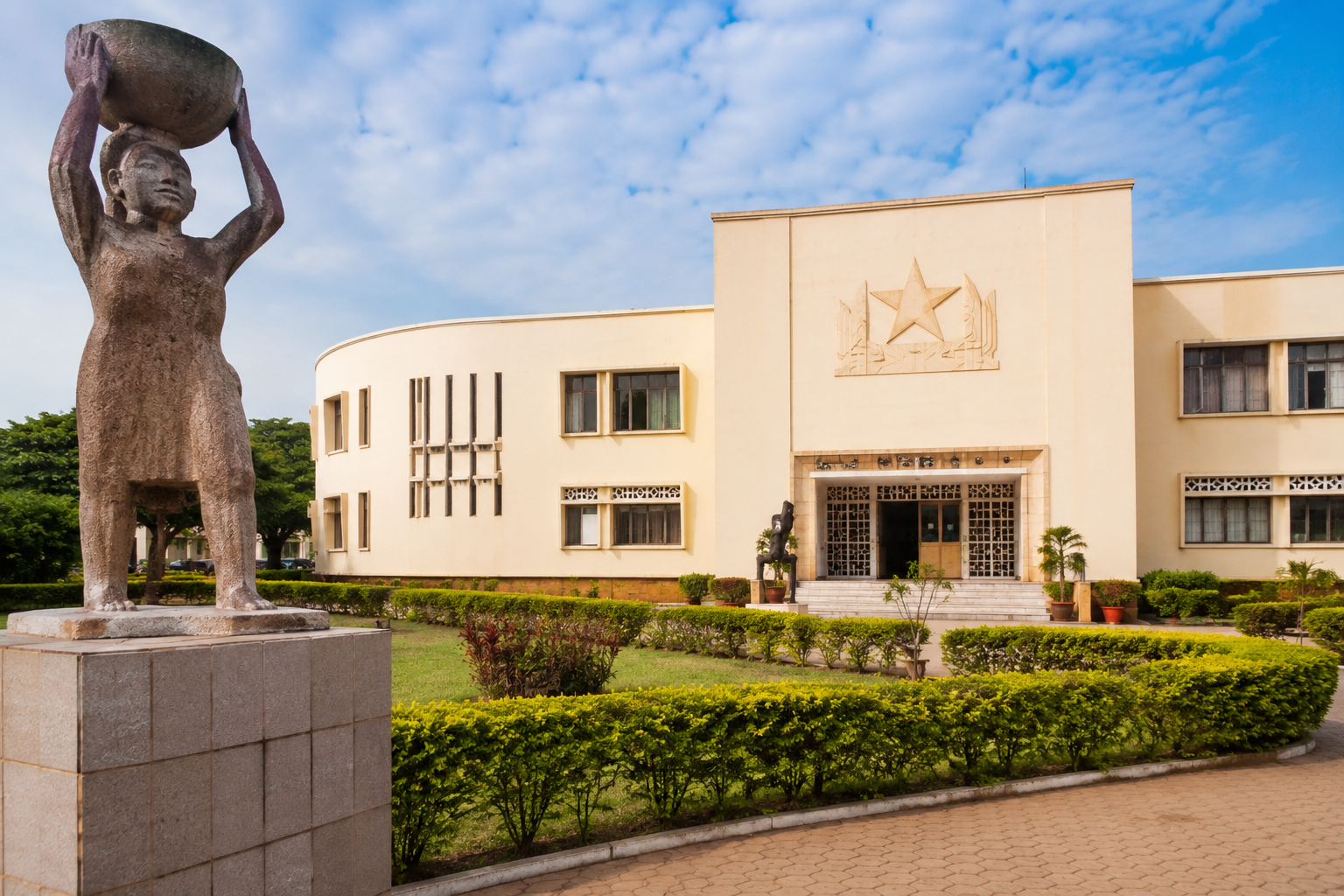
National Museum of Ghana: A Complete Visitor Guide
The National Museum of Ghana is one of Accra’s most important cultural attractions. While many people visit to learn about Ghana’s fascinating history, the museum also introduces visitors to one of the country’s most desirable areas for living, investing and relocating.
Whether you are planning a holiday, relocating to Ghana, investing in property or returning as part of the Ghanaian diaspora, understanding the location surrounding the National Museum can help you make informed decisions about where to buy or rent.
This comprehensive guide explains everything you need to know about the National Museum of Ghana, its collections, visitor experience, nearby neighbourhoods and why central Accra continues to attract local and international property buyers.
Quick Answer
The National Museum of Ghana is the country’s oldest and largest museum, located in central Accra near Independence Avenue. Opened in 1957, it showcases Ghana’s archaeology, culture, history and art through thousands of fascinating artefacts. Its central location also places visitors close to some of Accra’s most sought after residential neighbourhoods, making it an excellent area to explore for both tourism and property investment.
Table of Contents
What Is the National Museum of Ghana?
Where Is the National Museum Located?
History of the National Museum
What Can You See Inside?
Archaeological Collections
Cultural Exhibitions
Contemporary Art Displays
Traditional Ghanaian Heritage
Why Tourists Love the Museum
Why Property Buyers Should Visit
Best Neighbourhoods Nearby
Property Prices Around Central Accra
Buying Property Near the Museum
Renting Property Nearby
Investment Opportunities
Mistakes to Avoid
Practical Visitor Information
Frequently Asked Questions
Why Choose Expat Homes Ghana
What Is the National Museum of Ghana?
The National Museum of Ghana is the country’s premier museum dedicated to preserving Ghana’s rich cultural heritage.
It houses thousands of artefacts representing centuries of Ghanaian civilisation, including archaeological discoveries, traditional crafts, royal regalia, historical documents and contemporary artwork.
The museum provides visitors with an excellent introduction to Ghana before travelling elsewhere across the country.
For many newcomers, visiting the museum is one of the best ways to understand Ghana’s diverse ethnic groups, traditions and historical development.
Where Is the National Museum Located?
The museum is situated along Barnes Road in central Accra.
Its location places it close to numerous important landmarks including:
Independence Square
Kwame Nkrumah Memorial Park
Accra International Conference Centre
Ministries
Ridge
Osu
Airport Residential Area
Cantonments
Its excellent central location means visitors can easily combine sightseeing with viewing residential properties across some of Accra’s most desirable districts.
The History of the National Museum of Ghana
The museum officially opened in March 1957, the same year Ghana became the first sub-Saharan African nation to gain independence from British colonial rule.
Its establishment reflected Ghana’s commitment to preserving its own history and celebrating its cultural identity.
Over the decades, the museum has continued expanding its collections while educating millions of visitors from around the world.
Today, it remains one of Ghana’s most respected educational and cultural institutions.
What Can You See Inside the National Museum?
The museum contains several fascinating sections covering different aspects of Ghanaian history.
Visitors can explore:
Archaeological Exhibits
These include discoveries dating back thousands of years.
Highlights include:
Stone Age tools
Ancient pottery
Early farming equipment
Excavated settlements
Historic trade items
These artefacts demonstrate how communities developed throughout Ghana long before European contact.
Traditional Cultural Displays
One of the museum’s most popular sections showcases Ghana’s diverse ethnic traditions.
Visitors will discover:
Kente cloth
Traditional musical instruments
Ceremonial stools
Royal regalia
Masks
Bead making
Pottery
Wood carving
Basket weaving
Each display helps explain the customs and traditions of Ghana’s many ethnic communities.
Historical Collections
The museum also documents important moments in Ghanaian history.
Exhibits explore:
Colonial Ghana
The independence movement
Traditional kingdoms
Trade routes
Religious influences
Political development
National leaders
These exhibitions provide valuable historical context for anyone wishing to understand modern Ghana.
Contemporary Art
Visitors can also enjoy artwork from talented Ghanaian artists.
Collections include:
Paintings
Sculpture
Mixed media
Textile art
Photography
The exhibitions regularly change, giving repeat visitors something new to experience.
Why Tourists Love Visiting the National Museum
The museum offers much more than historical artefacts.
Visitors appreciate:
Air conditioned galleries
Family friendly environment
Educational exhibits
Excellent photography opportunities
Helpful guides
Central location
Peaceful atmosphere
Many international visitors begin their Ghana journey here before travelling to Cape Coast, Kumasi, Mole National Park or the Volta Region.
Why Property Buyers Should Visit the Area
Although the museum itself is a tourist attraction, its location provides an excellent introduction to central Accra.
Property buyers can easily explore surrounding districts that continue attracting strong demand.
The area offers:
Excellent transport links
Government institutions
International organisations
Business districts
Hotels
Restaurants
Healthcare facilities
International schools
Shopping centres
These amenities contribute significantly to long term property values.
Best Neighbourhoods Near the National Museum
Ridge
Ridge remains one of Accra’s most prestigious residential areas.
Popular with:
Diplomats
Executives
International organisations
Government officials
Property consists mainly of luxury apartments and high quality detached homes.
Cantonments
Cantonments is among Ghana’s most desirable addresses.
Residents enjoy:
Wide roads
High security
Modern developments
Embassy district
Excellent infrastructure
Many overseas buyers choose Cantonments because of its international atmosphere.
Airport Residential Area
Airport Residential Area combines convenience with luxury living.
Buyers benefit from:
Modern apartments
Business accessibility
Restaurants
Shopping
International airport proximity
Rental demand remains consistently strong.
Osu
Osu offers vibrant city living.
It is known for:
Cafés
Restaurants
Nightlife
Shopping
Beaches nearby
Young professionals and expatriates often prefer this energetic neighbourhood.
Labone
Labone combines peaceful residential streets with convenient access to central Accra.
It attracts:
Families
Professionals
Returning diaspora
Long term investors
Average Property Costs Around Central Accra
Property values vary according to neighbourhood, size and specification.
Typical ranges include:
Apartments
One bedroom apartments often command premium prices due to strong rental demand.
Two and three bedroom apartments remain popular among professionals and families.
Houses
Detached homes in Ridge, Cantonments and Airport Residential Area generally represent the upper end of Accra’s residential market because of their location, land size and security.
Investors should obtain current market valuations before making purchasing decisions, as prices fluctuate with market conditions.
Buying Property Near the National Museum
International buyers should follow a structured purchasing process.
This includes:
Define Your Objectives
Determine whether you are buying:
A permanent residence
Holiday home
Investment property
Rental apartment
Retirement home
Set a Realistic Budget
Consider:
Purchase price
Legal costs
Agency fees
Property maintenance
Furnishing
Insurance
Verify Ownership
Always ensure:
Land ownership is verified.
Title documentation is checked.
Necessary legal searches are completed.
Professional legal advice is obtained before contracts are signed.
These steps can reduce the risk of disputes and provide greater confidence during the purchase process.
Use Experienced Professionals
Working with experienced estate agents, surveyors and property lawyers can help buyers understand the local market and navigate the transaction process more effectively.
Renting Property Nearby
Many newcomers choose to rent before buying.
Benefits include:
Learning different neighbourhoods
Understanding commuting times
Exploring schools
Experiencing local amenities
Evaluating investment opportunities
Rental demand remains high in central Accra due to business activity and expatriate employment.
Why Investors Continue Choosing Central Accra
Central Accra remains attractive because of:
Strong Rental Demand
Professionals working in banking, telecommunications, oil and gas, technology and international organisations often seek accommodation nearby.
Infrastructure Improvements
Continued investment in roads, commercial developments and public services supports long term demand.
International Appeal
Accra continues attracting:
Foreign businesses
Diplomats
NGOs
Remote workers
Entrepreneurs
Returning diaspora
This supports a diverse residential market.
Common Mistakes to Avoid
Property buyers should avoid:
Purchasing without independent legal advice.
Failing to verify land ownership.
Ignoring ongoing maintenance costs.
Choosing location based solely on price.
Rushing into purchases without viewing multiple properties.
Overlooking future resale potential.
Assuming every property offers the same rental returns.
Taking time to research can help avoid costly mistakes.
Practical Visitor Information
Visitors planning a trip to the National Museum should consider:
Allow at least one to two hours to explore the exhibits.
Wear comfortable clothing suitable for Accra’s warm climate.
Check opening hours before travelling, especially around public holidays.
Carry bottled water if exploring nearby attractions on foot.
Combine your visit with other nearby landmarks for a full day of sightseeing.
Frequently Asked Questions
What is the National Museum of Ghana famous for?
It is renowned for preserving Ghana’s archaeological discoveries, cultural artefacts, historical collections and works of art that tell the story of the nation’s heritage.
Where is the National Museum of Ghana?
The museum is located on Barnes Road in central Accra, close to Independence Avenue and several major government and cultural landmarks.
Is the National Museum worth visiting?
Yes. It offers an excellent introduction to Ghana’s history, traditions and artistic heritage, making it a worthwhile stop for both tourists and residents.
Which neighbourhoods are closest to the National Museum?
Some of the nearest and most popular residential areas include Ridge, Osu, Cantonments, Labone and Airport Residential Area.
Can foreigners buy property in Accra?
Foreign nationals can purchase certain property interests in Ghana, subject to Ghanaian property laws and applicable regulations. Buyers should seek advice from a qualified legal professional before proceeding with any transaction.
Is central Accra a good place to invest?
Many investors are attracted to central Accra because of its strong rental demand, business activity, established infrastructure and broad appeal to both local and international residents.
Why the National Museum Matters for Property Buyers
Exploring the National Museum of Ghana provides more than an appreciation of the country’s past. It also introduces visitors to one of Accra’s most connected and desirable areas, offering easy access to leading residential neighbourhoods, commercial districts and everyday amenities.
For overseas buyers, returning members of the Ghanaian diaspora, investors and families considering relocation, combining cultural exploration with property research can provide valuable insight into the lifestyle and opportunities available in Ghana’s capital.
Explore Property with Expat Homes Ghana
If you are considering buying, selling, renting or investing in Ghana, Expat Homes Ghana is here to help.
Our experienced team works with local buyers, overseas investors, expatriates and members of the Ghanaian diaspora to find quality homes, apartments, land and investment opportunities across Accra and beyond.
Browse our latest property listings, request personalised property advice, list your property for sale or rent, or speak with one of our experienced property specialists. Whether you are relocating, investing or searching for your dream home, Expat Homes Ghana is committed to helping you make confident, informed decisions every step of the way.